Smart Advertising Tips For Small Businesses
If you are a small business owner, you might feel like you are walking into a gladiator arena every time you open your marketing dashboard. The giants have infinite budgets, while you have a limited stash of cash and a million other things to do. But here is the secret that the big guys do not want you to know: money is not the only weapon in this war. Strategy, creativity, and human connection are the real heavy hitters. You do not need to outspend your competition; you just need to outsmart them.
Understanding Your Audience: The Foundation of Every Campaign
Most small businesses fail at advertising because they try to talk to everyone. If you try to catch every fish in the ocean, you are going to end up with an empty net. You need to identify your specific species. Who is your ideal customer? What keeps them awake at 3:00 AM? When you understand the pain points of your audience, you can position your product as the natural solution. Think of it like a conversation at a coffee shop; you do not shout across the room to strangers, you engage the person sitting right in front of you.
Navigating the Modern Digital Landscape
The digital landscape is changing faster than a teenager’s mood, but that does not mean you have to be on every platform. In fact, being everywhere usually means being nowhere effectively. Pick two platforms where your customers hang out and dominate those. Whether it is LinkedIn for B2B or Instagram for lifestyle brands, master the language of that space. Do not treat a social media platform like a billboard; treat it like a party where you are trying to make friends.
Budgeting Wisdom: Getting More for Less
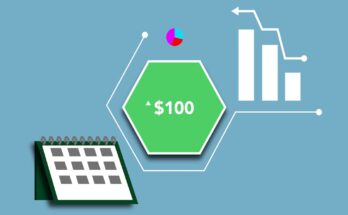
Small budgets actually force you to be more creative. When you have a million dollars, you can afford to waste half of it. When you have a thousand, every cent has to fight for its life. Start small, test often, and pivot quickly. If a campaign is not working, do not get emotionally attached to it. Cut it loose and shift those funds toward the ads that are actually generating leads or sales. It is better to have a tiny, profitable fire than a massive, cold pile of damp wood.
Content Marketing: Providing Value Before Asking for a Sale
Nobody likes the guy at the party who only talks about himself. Advertising is the same way. Content marketing is your chance to show off your expertise without a hard sell. If you are a plumber, write a blog about how to prevent pipe clogs. If you are a graphic designer, share tips on how to pick color palettes. When you provide value for free, you build trust. People buy from businesses they trust, not just businesses they recognize.
Social Media Leverage: Why Authenticity Wins
People can smell a scripted ad from a mile away. On social media, raw is often better than polished. Use your phone to record behind the scenes footage of your team. Show the mess, show the process, and show the struggle. This humanizes your brand. When people see the humans behind the logo, they are far more likely to feel a sense of loyalty that a generic corporate ad could never buy.
Local SEO: Putting Your Business on the Virtual Map
If you have a physical location, your Google Business Profile is your best friend. Make sure your address, phone number, and hours are accurate everywhere online. Encourage happy customers to leave reviews, and actually respond to them. When someone searches for “best coffee near me,” you want to be the first one they see. This is the low hanging fruit of digital advertising, yet so many businesses leave it sitting on the ground.
Email Marketing: The Underrated Conversion Machine
Social media algorithms are fickle. One day you have reach, the next day you do not. Your email list is the only asset you truly own. Think of your newsletter as a personal letter to a friend. Do not just spam them with coupons. Share industry news, tell a story, or offer a helpful tip. By the time you do have a promotion, your list will actually be excited to hear from you because you have treated them with respect.
Influencer Partnerships: The Micro Way to Massive Trust
You do not need a celebrity with a million followers. In fact, micro influencers often have much higher engagement rates. Find people in your local area or niche who have a dedicated following. Send them a product to review or invite them to try your service. A genuine recommendation from a local personality is worth ten times more than a cold advertisement because it comes with social proof built right in.
Data Analytics: Making Decisions Based on Facts, Not Feelings
It is easy to fall in love with an ad creative that you spent hours on, but if the data says nobody is clicking, you have to let it go. Analytics are not just numbers; they are a map of human behavior. Use tools to see where people drop off on your website or which headlines catch their eye. If you are not looking at the data, you are essentially driving your business car with a blindfold on.
Retargeting: Capturing the Ones Who Got Away
Most people will not buy from you the first time they see your ad. They might be busy, they might be comparing prices, or they might just forget. Retargeting allows you to follow those people with a gentle nudge. A simple ad saying “Hey, noticed you left something in your cart” is often all it takes to close the deal. It is not being annoying; it is being helpful to someone who already showed interest.
Customer Retention: Your Best Advertising Strategy
The smartest advertising is actually keeping the customers you already have. It costs far less to keep a loyal customer than to acquire a new one. Send a thank you note, offer a loyalty discount, or just check in to see how they are doing. A customer who feels appreciated becomes a walking billboard for your brand, telling all their friends about how great you are.
Creative Hooks: The Art of Standing Out
The human brain is wired to ignore ads. To beat this, you need a hook that stops the scroll. This could be a controversial opinion, a shocking statistic, or a beautiful visual. You have about three seconds to grab someone’s attention before they move on. If your ad looks like everyone else’s ad, you have already lost the battle before the first word is read.
Automation Efficiency: Scaling Without Burning Out
You are one person, or maybe a small team. You cannot manually handle every interaction 24/7. Use automation tools to schedule your posts, trigger email responses, and manage your leads. Automation does not mean being robotic. It means giving you the time back to be more human in the moments that actually require your personal touch.
Conclusion: Consistency is Your Greatest Asset
Advertising is not a sprint; it is a marathon. You will not see results overnight, and that is perfectly okay. The small businesses that win are the ones that show up, day after day, providing value and learning from their mistakes. Do not look for the magic bullet because it does not exist. Your magic bullet is your commitment to improvement. Keep testing, keep listening to your customers, and keep pushing forward. Your growth is inevitable if you refuse to quit.
FAQs
Q1: How do I know which advertising platform is right for me?
A: Look at where your competitors are, but more importantly, look at where your customers are. If you sell home decor, go to Pinterest or Instagram. If you sell accounting software, go to LinkedIn.
Q2: How much should a small business spend on advertising?
A: A common rule of thumb is 5 percent to 10 percent of your revenue, but start with what you can afford to lose while testing. It is better to start small and scale up than to blow your budget on a giant campaign that yields nothing.
Q3: Is it better to run ads myself or hire an agency?
A: If you have more time than money, do it yourself to learn the ropes. If you have more money than time and your business is growing, an expert can help you optimize those dollars to save you from costly mistakes.
Q4: How can I measure the success of my ads?
A: Focus on conversion metrics like cost per lead or cost per sale. Do not get distracted by vanity metrics like likes or impressions, as those do not necessarily put money in your pocket.
Q5: What if my first ad campaign fails?
A: Every failure is a data point. Analyze why it failed, change your hook or your target audience, and try again. Even the biggest companies in the world have ads that flop; the difference is they use the data to improve the next one.